
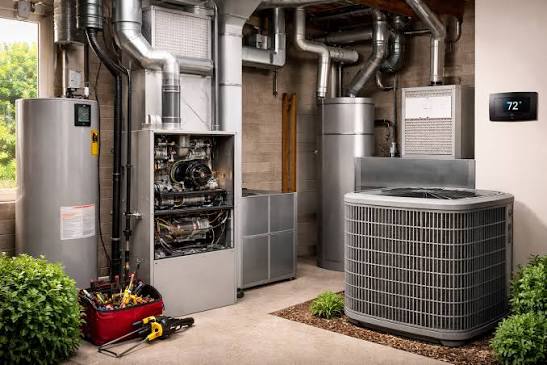
When an air conditioner stops blowing cold air, the problem can range from a simple airflow restriction to a serious mechanical or refrigeration fault. A system may still run, but warm air from the vents can signal trouble with the filter, blower, thermostat, condenser coil, refrigerant circuit, capacitor, compressor, or ductwork. In Bastrop, TX, this can become especially uncomfortable during periods of high outdoor heat when an AC system runs for long cycles. The first step is not to keep lowering the thermostat. Instead, check the safe items you can access, observe what the equipment is doing, and arrange professional HVAC diagnostics if the problem continues. In our field experience, symptoms often provide useful clues before any component is opened or tested. For example, a completely silent outdoor unit points to a different diagnostic path than an outdoor unit that runs while the indoor fan blows warm air. IcyHot AC can help homeowners, property managers, and small businesses identify the cause and determine whether the system needs a minor correction, repair, or deeper evaluation. Avoid opening electrical panels or attempting refrigerant work yourself. Capacitors can retain electrical charge, and refrigerant systems require qualified handling. If the system repeatedly trips a breaker, produces a burning smell, makes severe mechanical noise, or shows damaged wiring, turn it off and request professional service. A useful diagnosis should identify the actual failure rather than simply adding refrigerant or replacing parts based on guesswork. The goal is to restore proper cooling while protecting the equipment from unnecessary damage. Whether the issue involves airflow, electrical controls, heat transfer, or the refrigeration cycle, accurate testing gives you a much better basis for deciding what to do next.
Core Introduction to What to Do When Your AC Stops Blowing Cold Air
Warm air from an AC system does not automatically mean the compressor has failed. Several components must work together for cooling to occur. The thermostat calls for cooling, the indoor blower moves air across the evaporator coil, refrigerant absorbs indoor heat, the compressor circulates refrigerant, and the outdoor condenser releases heat. If one part of that chain is interrupted, the air coming from the vents may become warm. A dirty filter can reduce airflow, while a failed capacitor may prevent a motor or compressor from starting correctly. Refrigerant leakage, a blocked coil, thermostat fault, or duct problem can create similar comfort complaints. Proper diagnosis matters because replacing the wrong component wastes money and may leave the real problem unresolved.
Why This Matters for the Local Area / Target Audience
Bastrop homeowners and businesses rely heavily on air conditioning during hot weather. When an AC stops producing cold air, indoor temperatures can rise quickly, especially in buildings with large windows, high occupancy, or significant afternoon heat gain. Property managers may also face several complaints from tenants when a single system fails. A warm-air complaint should therefore be treated as a symptom that deserves investigation. What we typically see on the ground is that people first adjust the thermostat or restart the system several times. That may not address the cause. If the compressor is struggling, repeated restarts can increase stress on electrical components. If airflow is restricted, continued operation may worsen performance. Early diagnostics can help separate a simple maintenance issue from a component failure.
A Real-World Scenario or Example
In our field experience, a homeowner may report that the AC is “running but not cooling.” On arrival, the indoor blower may be operating normally while the outdoor condenser remains silent. That immediately changes the diagnostic direction. The technician can check the thermostat call, electrical supply, contactor, capacitor, and control circuit before deciding what failed. In another case, both indoor and outdoor units may run, but the supply air remains warmer than expected. That situation can point toward airflow, coil, refrigerant, or compressor-performance concerns. The key lesson is that the same complaint can have very different causes. We avoid diagnosing from the symptom alone. Instead, we observe the equipment, take appropriate measurements, compare findings with manufacturer data, and explain what the evidence shows before recommending repair work.
How the AC Cooling Process Actually Works / The Core Process
An air conditioner does not create cold air in the way a refrigerator simply “makes cold.” It transfers heat from indoors to outdoors through a refrigeration cycle. The compressor raises refrigerant pressure and circulates it through the system. The condenser releases heat outdoors, while the metering device controls refrigerant flow toward the evaporator. Inside, the evaporator absorbs heat from the air passing across its coil. The blower then sends conditioned air through the duct system and back into occupied rooms. If any major part of this cycle becomes restricted, electrically disconnected, contaminated, or mechanically damaged, cooling performance can decline. Understanding this process helps explain why professional testing is often needed when warm air continues coming from the vents.
The Initial Phase / Preparation
Begin with observations that do not require opening the equipment. Check whether the thermostat is set to cooling and whether the indoor temperature is actually above the set point. Look at the accessible filter and replace it if it is visibly loaded and the equipment instructions permit replacement. Check whether supply and return vents are unobstructed. Outside, look around the condenser for heavy debris, stored items, or vegetation restricting airflow. Listen for unusual sounds. Notice whether the indoor blower runs, whether the outdoor unit starts, and whether the system shuts off repeatedly. These observations provide valuable information for the technician. Do not remove electrical covers, touch refrigerant lines unnecessarily, or attempt to reset a tripped breaker repeatedly. If the system shows an electrical smell or serious mechanical noise, switch it off and request professional service.
The Execution / Implementation Phase
Professional diagnostics begin by confirming the reported symptom and determining which parts of the system are operating. The technician may verify thermostat operation, inspect electrical connections, measure voltage and current, test capacitors, evaluate blower performance, inspect coils, and check condensate drainage. If the refrigeration circuit is suspected, the technician may evaluate operating pressures and temperatures using equipment-specific procedures. Airflow and static pressure may also be measured because insufficient air movement can create poor cooling even when the refrigeration system is functioning. The technician should avoid making conclusions from one pressure reading or one temperature measurement. Outdoor temperature, indoor load, system design, refrigerant type, metering device, and manufacturer specifications all affect normal readings. A complete diagnosis connects several findings before recommending a repair.
Technical Specifications or Deep-Dive Details
Technical AC diagnostics may involve voltage, amperage, capacitor microfarads, external static pressure, temperature differential, superheat, subcooling, and refrigerant pressure. These values have different meanings and should be interpreted according to the equipment design. For example, refrigerant pressure by itself does not prove that the system has the correct charge. Superheat and subcooling can provide more useful information when the system configuration and operating conditions are known. Static pressure can reveal airflow restrictions caused by filters, coils, ducts, or blower problems. Compressor amperage can be compared with the manufacturer’s rated information to identify abnormal loading. A professional should also consider outdoor ambient temperature and indoor conditions before judging performance. This measurement-based approach helps prevent unnecessary refrigerant additions or component replacements that fail to address the actual fault.
Core Benefits and ROI
Getting an accurate diagnosis before approving repairs has both financial and practical value. A weak capacitor may be far less expensive to correct than replacing an otherwise healthy compressor. A clogged filter or restricted airflow problem may require much less work than replacing an entire AC system. On the other hand, if an older compressor is showing serious electrical or mechanical failure, continuing to invest in repeated repairs may not make sense. A professional evaluation helps establish that distinction. For property managers, clear diagnostics can also make maintenance decisions easier across multiple units. For small businesses, resolving the cause quickly can protect employee and customer comfort. The return on professional diagnostics is therefore not just the repair itself. It is the information that helps you avoid unnecessary work and make a better equipment decision.
Financial, Strategic, or Time-Saving Advantages
The most useful financial advantage comes from addressing the correct problem. Replacing parts without testing can create a cycle of unnecessary expenses. A technician who identifies the actual failure can focus labor and materials where they are needed. If a system needs replacement, an accurate diagnosis also gives the owner time to compare options instead of purchasing equipment during an emergency. Property managers can prioritize units based on condition and repair history. Business owners can schedule work around operating hours when possible. Another benefit is avoiding prolonged operation when the system is under abnormal conditions. Running an AC continuously with a serious airflow, electrical, or refrigeration problem may increase operating stress. A timely diagnosis can help determine whether the equipment should continue running or be shut down until repairs are completed.
Specific Data Point or Metric to Consider
One useful metric is the temperature difference between return and supply air, but it should not be treated as a standalone diagnosis. The measured difference depends on indoor humidity, airflow, outdoor conditions, equipment design, and system operating state. Static pressure is another valuable measurement because excessive pressure can indicate airflow restrictions. Electrical readings such as compressor amperage and capacitor capacitance can also reveal conditions that are not visible from the thermostat. For refrigeration diagnostics, superheat and subcooling may provide useful information when interpreted against manufacturer specifications. The important point is to establish a baseline and record the conditions under which measurements were taken. A single number without context can be misleading. Good diagnostics use several related observations to determine whether the equipment is operating normally or showing evidence of a specific fault.
Common Industry Challenges & Roadblocks
One major challenge is diagnosing a warm-air complaint without jumping to the most expensive possible cause. Homeowners may hear that “the compressor is bad” when the actual issue is a capacitor, contactor, electrical connection, airflow restriction, or control problem. Another challenge is refrigerant misdiagnosis. Adding refrigerant without investigating why the charge is low can leave a leak unresolved. Dirty coils create another problem because they affect heat transfer and can change system behavior. Duct issues can also make a properly functioning AC feel ineffective inside certain rooms. Older systems add another layer because multiple components may be near the end of their service life. In our field experience, the best diagnostic process separates symptoms from confirmed failures and explains what evidence supports each recommendation.

Choosing the Right Solution / Professional
The right HVAC professional should be able to diagnose rather than simply replace parts. Ask what testing will be performed and whether the technician will explain the findings. Texas regulates air-conditioning and refrigeration contracting through the Texas Department of Licensing and Regulation. TDLR provides contractor licensing requirements and technician registration or certification requirements for applicable work. A customer should verify that the contractor is appropriately licensed for the project. Beyond licensing, look for technical competence. The technician should understand electrical diagnostics, airflow, refrigeration principles, equipment controls, and manufacturer specifications. IcyHot AC can assist homeowners and property owners in Bastrop with HVAC concerns, including situations where an AC is running but no longer delivering the expected cooling. The goal should always be an evidence-based diagnosis followed by a clear repair recommendation.
Key Credentials or Features to Look For
Start by checking the contractor’s applicable Texas ACR license. TDLR identifies Class A and Class B contractor categories with different system-size scopes. A Class A contractor can work on air-conditioning and refrigeration systems of any size, while Class B has defined limits for cooling and heating capacity. Technicians assisting licensed contractors must also meet applicable registration or certification requirements. These requirements provide a basic compliance checkpoint when selecting a service provider. Technical features matter too. Look for a professional who uses appropriate diagnostic instruments, records important readings, follows manufacturer specifications, and explains why a repair is recommended. Be cautious when someone recommends a compressor, refrigerant charge, or complete replacement without first establishing the actual cause. A trustworthy diagnosis should connect the symptom to measurable evidence.
Crucial Evaluation Questions
| Question to Ask | Why It Matters |
|---|---|
| What is causing the warm air? | Helps distinguish a symptom from a confirmed failure. |
| What measurements support the diagnosis? | Shows whether the recommendation is based on evidence. |
| Is the issue repairable without replacing the system? | Helps you understand your available options. |
| What happens if I keep running the AC? | Explains possible equipment or safety concerns. |
| Can you provide the diagnosis in writing? | Gives you a useful record for future decisions. |
These questions help homeowners understand the repair process before approving significant work. If a technician recommends adding refrigerant, ask whether the system has evidence of leakage and whether further leak diagnosis is needed. If a compressor replacement is suggested, ask what electrical or mechanical measurements support that conclusion. If complete replacement is recommended, ask about equipment age, repair history, efficiency, sizing, and installation requirements. For property managers, request documentation for each unit so future service providers can understand the equipment history. A good HVAC conversation should be clear enough that a homeowner can explain the problem and recommended solution afterward. You should never feel that technical language is being used to prevent you from understanding the decision.
Understanding the Investment / Pricing Structure
The cost of restoring cooling depends heavily on the cause. A thermostat issue, capacitor, contactor, drain restriction, or airflow problem can involve a very different repair process from compressor failure, coil replacement, or full system replacement. Diagnostic labor may also be separate from repair labor and parts. Before work begins, ask what the diagnostic appointment covers and whether repair approval is required before additional work is performed. For larger repairs, request a written estimate showing the equipment or component involved, labor, materials, and any applicable warranty information. The lowest initial price does not necessarily represent the lowest overall cost. An inexpensive service that fails to identify the actual problem can result in repeated visits and additional parts. The better investment is accurate diagnosis followed by appropriately scoped work.
Breakdown of Base Costs or Resources Required
A diagnostic appointment may require electrical testing equipment, temperature probes, airflow instruments, static-pressure tools, capacitor testing equipment, and refrigeration instruments when appropriate. The amount of labor depends on system accessibility, equipment type, symptoms, and the depth of testing required. A simple airflow restriction can be identified more quickly than an intermittent electrical fault. Refrigerant problems may require additional leak investigation. Compressor diagnostics can involve electrical testing, operating measurements, and inspection of related components. If a repair is needed, parts and labor should be explained separately when practical. If replacement is being considered, the scope can include equipment, installation, electrical work, refrigerant-related procedures, permits where applicable, commissioning, and disposal. Ask questions before approving a large project so you understand exactly what is included.
Hidden Fees or Unexpected Resource Drains
Unexpected costs can arise when a diagnostic reveals secondary problems. For example, a failed compressor may have damaged related components, or a refrigerant issue may require leak investigation rather than a simple charge adjustment. Difficult attic access, damaged ductwork, electrical modifications, or obsolete equipment can also increase project complexity. Ask whether the initial diagnostic fee is applied toward approved repair work and whether additional diagnostic steps require authorization. TDLR consumer guidance encourages customers to verify licensing and obtain written bids or estimates for HVAC work. Keeping documentation helps you compare the actual scope of work. If a contractor recommends a major repair, ask whether the system has other age-related concerns that could affect the decision. This does not mean replacement is always better. It means you should understand the broader condition before investing heavily.
Pro Tip for Saving Money / Maximizing Efficiency
When your AC stops cooling, resist the urge to approve the first expensive part mentioned. Ask the technician to explain the failure and show the evidence. If the diagnosis is compressor-related, ask whether the electrical supply, capacitor, contactor, wiring, and refrigerant conditions have been evaluated. If refrigerant is involved, ask whether a leak is suspected and what testing supports that conclusion. If the equipment is old, compare the repair cost and expected future repairs with replacement options. This approach can save money because it prevents treating a symptom while the underlying issue remains. Keep the service report, model information, and repair history. Future diagnostics become easier when the next technician has accurate information about what has already been tested and replaced.
Step-by-Step Implementation Guide
When the AC stops blowing cold air, follow a simple sequence. First, confirm the thermostat is set to cooling and the indoor temperature is above the selected set point. Second, check the accessible filter and supply vents. Third, observe whether the indoor blower and outdoor condenser are operating. Fourth, listen for unusual sounds and look for obvious water around the indoor equipment. Fifth, inspect the outdoor area for heavy debris without opening electrical compartments. If these checks do not explain the issue, arrange professional diagnostics. Do not repeatedly reset breakers or attempt refrigerant work. During the service visit, ask for the cause, supporting measurements, repair options, and urgency. If the system is unsafe or severely damaged, follow the technician’s recommendation to keep it off until the repair is completed.
What to Do First
Start with the thermostat. Make sure it is actually calling for cooling and that the fan setting has not been changed in a way that affects your observation. Check the air filter if it is accessible and replace it when appropriate. Confirm that return and supply vents are not blocked by furniture. Then look at the outdoor condenser from a safe distance. If it is completely silent while the indoor blower operates, tell the technician. If it runs but the air remains warm, mention that too. These details help narrow the diagnostic path. If the system repeatedly trips the breaker, has a burning smell, produces smoke, or makes severe mechanical noises, turn it off. Do not continue restarting it. A safety concern should be addressed before cooling performance.
Tools, Documents, or Prerequisites Required
For a homeowner, the most useful information is the equipment model and serial number, recent service history, warranty information, utility records if relevant, and a description of the symptoms. You do not need professional diagnostic instruments. Technicians may use a multimeter, clamp meter, capacitor tester, digital temperature probes, static-pressure tools, airflow instruments, and refrigeration diagnostic equipment. Manufacturer service data is also important because specifications vary between systems. If the equipment is under warranty, keep purchase and installation documents available. For rental properties, property managers should provide access to the indoor and outdoor units and previous maintenance reports. These records can reduce diagnostic time and prevent repeated work. Never attempt to duplicate professional electrical or refrigeration tests without the appropriate training, equipment, and authorization.
Expert Strategies for Maximum Value
The best HVAC strategy is to diagnose the complete system rather than focusing only on the component that appears suspicious. For example, a compressor that will not start may have an electrical problem rather than a mechanically failed compressor. A frozen evaporator coil may result from restricted airflow rather than low refrigerant. Warm air from one room may point toward duct distribution rather than a central cooling failure. This systems approach is important because HVAC components interact. IcyHot AC can evaluate these symptoms in the context of the entire cooling system. When managing repair decisions, consider equipment age, repair history, operating performance, and future reliability rather than the immediate part price alone. A proper diagnosis should help you decide whether to repair, monitor, or replace.
Top Mistakes to Avoid
The first mistake is repeatedly restarting a system that has tripped a breaker or shows electrical symptoms. Another is assuming every warm-air complaint means low refrigerant. Refrigerant problems require proper testing and should not be treated as a guess. Replacing a thermostat without checking the system’s other controls is another common error. Homeowners may also ignore a dirty filter or blocked airflow and continue running the system. Property managers can make the opposite mistake by replacing equipment immediately without investigating whether a smaller repair would restore performance. Another issue is using generic online pressure charts without considering the actual system. HVAC diagnostics are equipment-specific. The safest and most cost-conscious approach is to observe the symptoms, avoid unsafe intervention, and have the system tested by an appropriately qualified professional.
Mistake 1 and Exactly How to Prevent It
Mistake 1: Assuming the compressor is bad before testing the rest of the system. The compressor is a critical component, but it should not be blamed simply because the AC is not cooling. A failed capacitor, contactor, wiring issue, voltage problem, control fault, or airflow condition can produce similar symptoms. Prevent this mistake by asking for electrical and operating measurements before approving compressor replacement. The technician should evaluate whether the compressor is receiving the correct electrical supply and whether its operating behavior matches the manufacturer’s specifications. If a compressor is confirmed defective, then compare the repair with system age, warranty status, refrigerant considerations, and replacement cost. A measured diagnosis is much safer than a guess based on the symptom alone.
Maintenance, Longevity, and Long-Term Care
Once cooling is restored, ongoing maintenance can help keep future problems visible. Filters should be checked according to equipment instructions and actual household conditions. Outdoor units should remain clear of excessive vegetation and debris. Unusual sounds, longer cycles, weak airflow, water near the indoor unit, and repeated starts should be investigated instead of ignored. Professional maintenance can include electrical inspection, coil condition, drainage, airflow, and system performance checks. Older systems deserve closer attention because multiple components may be approaching the end of their service life. Keeping accurate service records can also help determine whether repeated repairs are becoming uneconomical. Maintenance cannot prevent every failure, but it can provide useful information about system condition and help owners make repair or replacement decisions with less pressure.
Daily, Weekly, or Ongoing Best Practices
Homeowners can safely monitor several basic conditions. Keep return and supply vents clear. Check the accessible filter regularly. Look at the outdoor condenser area and keep obvious debris away without opening the cabinet. Watch for water where it normally should not appear. Listen for new buzzing, grinding, rattling, or repeated clicking. Pay attention to changes in cooling time and room temperature. If the AC begins running continuously when it previously maintained the set point normally, consider scheduling diagnostics. Property managers should document tenant complaints and note which rooms or units are affected. Avoid repeatedly lowering the thermostat to force a struggling system to cool faster. A lower set point does not make an underperforming AC repair itself. If performance changes suddenly, professional evaluation is usually the better next step.
Insider Hack for Long-Term Success
Keep a service record for each HVAC system containing the installation date, model number, major repairs, filter changes, diagnostic reports, and equipment replacements. When a technician records useful operating measurements, retain them with the report. Over time, these records can show whether performance is changing. For example, repeated electrical problems or recurring refrigeration service may indicate that continued repair investment deserves closer review. For property managers, unit-specific records can prevent technicians from repeating tests or replacing parts without knowing previous findings. For homeowners, the information can be valuable when requesting a repair estimate or considering replacement. A few minutes of recordkeeping can make future troubleshooting more efficient and provide a clearer history of the equipment’s condition.
Comparing Alternative Options
When an AC stops cooling, owners generally have three choices: repair the existing system, temporarily monitor a minor issue, or replace the equipment. Repair is often sensible when the system is otherwise in good condition and the failed component is clearly identified. Monitoring can make sense for a non-urgent condition that does not affect safety or major performance, provided a professional agrees. Replacement may become more attractive when an older system has repeated failures, major component damage, declining performance, or repair costs that no longer make financial sense. The decision should consider equipment age, efficiency, refrigerant considerations, warranty coverage, repair history, installation condition, and expected future service. No single option is automatically best for every Bastrop property.
Traditional Methods vs Modern Solutions
Traditional repair focuses on replacing the failed component and returning the system to operation. Modern diagnostic practices use more detailed measurements and system data before making that decision. Digital meters, temperature probes, static-pressure testing, airflow measurements, and electronic refrigeration instruments can provide better evidence than visual inspection alone. Smart thermostats and connected controls can also provide useful runtime information, although they are not substitutes for mechanical diagnosis. Modern equipment may offer variable-speed operation and higher efficiency ratings, but those benefits depend on correct sizing and installation. The strongest approach combines proven HVAC fundamentals with appropriate diagnostic technology. Technology should support the technician’s judgment, not replace it. A digital reading is only useful when the person interpreting it understands the equipment and operating conditions.
Why the Recommended Solution Wins
A diagnosis-first approach wins because it reduces guesswork. Instead of assuming that the thermostat, refrigerant, capacitor, compressor, or entire system is at fault, the technician follows the evidence. This protects the homeowner from unnecessary parts and helps the technician identify related problems that may otherwise be missed. If the existing system can be repaired economically, that option can be considered. If the system has reached a point where replacement is more sensible, the owner has evidence to support that decision. For property managers, this approach also creates consistent records across units. For businesses, it can help balance repair cost against operational downtime. The recommended process is simple: observe, test, diagnose, explain, then repair or replace based on evidence.
Geographic, Legal, and Compliance Rules
HVAC work in Bastrop falls under Texas air-conditioning and refrigeration regulations. The Texas Department of Licensing and Regulation oversees applicable ACR contractor licensing and technician requirements. TDLR identifies Class A contractor licenses for systems of any size and Class B licenses for systems within specified capacity limits. Technicians performing regulated maintenance or repair under licensed contractors must meet applicable registration or certification requirements. These rules are important when hiring a provider for electrical, refrigeration, repair, or replacement work. Federal requirements can also apply to refrigerant handling, including EPA Section 608 certification requirements for technicians who service regulated refrigerants. Customers should verify current state and federal requirements before major work. Local permitting or inspection requirements may also apply depending on the scope of an installation or replacement project.
Navigating Local Regulations or Industry Standards
When selecting an HVAC contractor in Bastrop, verify the current Texas ACR license and confirm that the license category matches the planned work. TDLR’s licensing framework distinguishes Class A and Class B contractors by equipment capacity. The agency also establishes requirements for technicians assisting licensed contractors. For refrigerant service, EPA Section 608 certification requirements can apply to technicians who service or dispose of equipment containing regulated refrigerants. Equipment replacement should also follow manufacturer installation requirements and applicable local permitting rules. Ask the contractor whether permits or inspections are required for the specific project. These compliance checks are especially important for property managers and commercial owners because the work may involve larger systems, multiple units, or additional electrical and building modifications. Proper licensing is one part of choosing a qualified HVAC provider.
Essential Safety or Risk Mitigation Protocols
Air-conditioning equipment contains electrical circuits, capacitors, motors, moving components, and pressurized refrigerant. Homeowners should not open electrical panels, bypass safety switches, or attempt refrigerant repairs. If a breaker trips repeatedly, the system produces a burning smell, wiring appears damaged, or mechanical noise becomes severe, shut the equipment down and request professional evaluation. Qualified technicians should follow appropriate electrical isolation and testing procedures, use suitable personal protective equipment, and follow manufacturer instructions. Refrigerant recovery and service should comply with applicable federal requirements. Never assume that a system is safe simply because the thermostat appears normal. Electrical faults can create fire risks, while incorrect refrigeration work can damage the equipment or create environmental and safety concerns. Protecting people and property comes before restoring cooling speed.
Conclusion and Summary
When an AC stops blowing cold air, the right response is to investigate the symptom instead of guessing at the repair. Start with safe observations: thermostat settings, filter condition, blocked vents, outdoor airflow, and whether the indoor and outdoor units are operating. If the problem continues, professional diagnostics can evaluate electrical components, airflow, coils, controls, condensate drainage, and refrigeration performance. The cause may be relatively simple, or it may involve a major component such as the compressor. A proper diagnosis should tell you which situation you are facing. In Bastrop, where cooling demand can become intense, addressing a problem early can also reduce the chance of being left without AC during a hot period. IcyHot AC can help you move from symptoms to a clear HVAC service decision.
Final Recap of Value
Warm air from the vents is a warning sign, not a diagnosis. A dirty filter, blocked airflow, thermostat issue, failed capacitor, electrical fault, refrigerant problem, compressor issue, or duct condition can all affect cooling. The best response is to gather useful observations and avoid unsafe DIY intervention. Professional testing provides stronger evidence than guessing from a single symptom. If the repair is minor, addressing it can restore cooling without unnecessary replacement. If the system is older or has a serious failure, a diagnosis can help you compare repair and replacement options. The goal is not simply to get cold air again. It is to understand why the system stopped cooling and make a decision that protects comfort, equipment condition, and your budget.
Next Steps for the User
If your AC is running but the air from the vents is warm, check the thermostat, accessible filter, and airflow around the equipment. If those basic checks do not solve the issue, avoid repeatedly restarting the system and arrange professional HVAC diagnostics. Tell the technician exactly what you observed, including whether the indoor blower and outdoor condenser are running. IcyHot AC serves homeowners, property managers, and small businesses in Bastrop, TX. You can visit IcyHot AC to learn more or request HVAC assistance. Ask for a clear diagnosis, the evidence supporting the recommendation, and the difference between an immediate repair and a longer-term replacement option.
Frequently Asked Questions
Top Queries Answered
1. Why is my AC running but blowing warm air?
Several problems can cause this, including restricted airflow, thermostat faults, electrical component failure, dirty coils, refrigerant issues, or compressor problems. Professional testing is needed to identify the exact cause.
2. Should I turn my AC off if it is blowing warm air?
If the system is running continuously without cooling, shutting it off can prevent unnecessary operation while you arrange service. If there is a burning smell, repeated breaker trip, smoke, damaged wiring, or severe noise, turn it off immediately.
3. Does warm air always mean my AC needs refrigerant?
No. Refrigerant is only one possible cause. Airflow restrictions, electrical faults, dirty coils, control problems, and mechanical failures can produce similar symptoms. Refrigerant should be diagnosed and handled properly.
4. How do I know if my AC compressor is failing?
A compressor problem may involve difficult startup, abnormal electrical readings, unusual sounds, overheating, or poor refrigeration performance. These symptoms can overlap with other component failures, so compressor replacement should follow proper testing.
5. Should I repair or replace an AC that stops cooling?
The answer depends on system age, repair history, equipment condition, efficiency, warranty status, refrigerant considerations, and repair cost. A professional diagnosis can help compare the two options based on your specific system.
Final Bonus Tip for the Reader
Do not let one warm-air symptom push you into an immediate equipment replacement. First determine whether the indoor and outdoor units are operating, check safe maintenance items, and record what you observe. When the technician arrives, ask what failed and what evidence proves it. If refrigerant is involved, ask whether a leak is suspected. If a compressor is involved, ask whether electrical and mechanical tests were completed. If replacement is recommended, ask about the age and overall condition of the system. A clear diagnosis gives you options. Guesswork takes options away. Keeping service records also helps future technicians understand what has already been tested, repaired, or replaced.
Final Thoughts: When your AC stops blowing cold air, quick action matters, but rushing into an expensive repair is not the answer. Start with safe observations, avoid repeated breaker resets or refrigerant work, and get the system properly diagnosed when the problem remains. A professional HVAC evaluation can determine whether the cause is airflow, electrical, refrigeration, controls, or a major component failure. Trustworthy service means explaining the evidence, presenting practical repair options, and following applicable Texas requirements. For homeowners and property managers in Bastrop, having a qualified HVAC provider available can make an unexpected cooling problem much easier to manage. If your system is running without producing the cooling you expect, visit IcyHot AC and take the next step toward restoring comfortable indoor temperatures.