
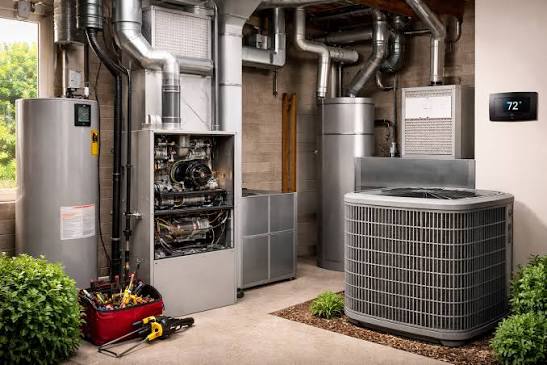
High energy bills do not always mean you need to keep the thermostat higher or spend your summer sweating indoors. In many Bastrop homes, wasted energy comes from airflow problems, poor insulation, dirty HVAC components, duct leakage, inefficient thermostat settings, aging equipment, or air entering through gaps around doors and windows. The key is finding where energy is being lost and correcting the biggest problems first. In our field experience, comfort and efficiency usually work together when the HVAC system is properly sized, maintained, and operated. A system that runs longer than necessary can increase electricity use while still leaving rooms unevenly cooled. IcyHot AC helps homeowners and property owners evaluate HVAC performance and identify practical ways to reduce unnecessary energy use. The goal is simple: maintain a comfortable indoor temperature while helping the equipment operate with less wasted effort.
Core Introduction to Lowering Energy Bills Without Losing Comfort
Lowering HVAC energy use starts with understanding what makes an air conditioner work harder. Every cooling system must remove heat from the building, but the amount of work required depends on outdoor temperature, indoor heat gain, insulation, duct condition, airflow, equipment efficiency, thermostat settings, and maintenance. A dirty filter can restrict airflow. Leaky ducts can send conditioned air into an attic or crawlspace. A dirty condenser coil can interfere with heat rejection. An aging system may consume more electricity than a newer high-efficiency model. None of these problems should be assumed without inspection. A practical energy-saving strategy begins by identifying the source of excess consumption and addressing the changes that provide the greatest improvement without reducing indoor comfort.
Why This Matters for the Local Area / Target Audience
Bastrop homeowners deal with long periods of intense summer heat, making air conditioning one of the major electricity loads in many properties. When outdoor temperatures remain high, an inefficient system can run for extended periods. Property managers have the added challenge of maintaining comfort across different units while controlling operating expenses. Small business owners also need comfortable indoor conditions without allowing HVAC costs to consume an excessive share of overhead. What we typically see on the ground is that owners focus first on the thermostat because it is easy to adjust. But thermostat changes are only one part of the picture. If ducts leak, airflow is restricted, or the outdoor coil is dirty, raising the temperature setting may not solve the underlying efficiency problem. A whole-system approach produces better decisions.
A Real-World Scenario or Example
In our field experience, a homeowner may call because the electricity bill has climbed while the thermostat remains at the same setting. The AC appears to run normally, so the first assumption is that electricity rates are the only cause. During inspection, however, a technician might discover a heavily loaded filter, restricted return airflow, or duct leakage in an unconditioned attic. Correcting the airflow problem can reduce unnecessary system strain without forcing the family to accept a warmer indoor temperature. In another property, the issue may be an aging outdoor condenser with declining performance. The lesson is important: high energy consumption is a symptom, not a diagnosis. Before buying a new thermostat or replacing an entire HVAC system, identify where the energy is actually being lost and determine which improvement makes technical and financial sense.
How Smart HVAC Energy Savings Actually Work / The Core Process
Energy efficiency comes from reducing the amount of work required to maintain the desired indoor conditions. An HVAC system has to move air, transfer heat, and operate electrical components. If airflow is restricted, the blower works against greater resistance. If ducts leak, conditioned air may never reach the occupied rooms. If the outdoor coil is dirty, the condenser has more difficulty rejecting heat. If the system is oversized, it may cycle frequently instead of running long enough to remove humidity effectively. A smart efficiency strategy therefore looks at the entire system. The process begins with evaluating current performance, identifying the largest sources of waste, correcting practical problems, and then measuring results where possible. Comfort should remain part of the equation throughout the process.
The Initial Phase / Preparation
Start by gathering basic information about the property and HVAC system. Record the system’s approximate age, model and serial numbers, recent repair history, thermostat settings, and any rooms that regularly feel warmer or cooler than others. Look at recent utility bills if available and compare similar months rather than focusing on one unusually high bill. Note whether the system runs continuously, cycles frequently, or struggles during afternoon heat. Check accessible filters and make sure outdoor equipment is not blocked by stored items or heavy vegetation. Property managers should collect tenant complaints and service records. These details help identify patterns before technical testing begins. A good energy assessment does not start by selling a particular upgrade. It starts by understanding how the building and HVAC system are currently behaving.
The Execution / Implementation Phase
Once the baseline is established, the technician can evaluate system operation. Useful checks may include airflow, static pressure, supply and return temperatures, electrical performance, coil condition, condensate drainage, duct condition, refrigerant-related operation, and thermostat behavior. The exact measurements depend on the system. Static pressure can reveal airflow restrictions. Temperature measurements can help identify uneven distribution or performance changes. Electrical readings can show whether motors and compressors are operating within expected conditions. Duct inspection can reveal leakage or insulation problems. The technician should compare findings with manufacturer specifications and building conditions rather than applying one generic standard to every system. After the evaluation, improvements can be ranked by impact, urgency, cost, and expected benefit. This helps the owner avoid spending heavily on upgrades that provide little practical improvement.
Technical Specifications or Deep-Dive Details
HVAC efficiency involves several technical factors. SEER2 measures seasonal cooling efficiency for applicable residential air-conditioning equipment, while EER2 evaluates efficiency under a defined operating condition. Higher efficiency ratings can reduce electricity use, but actual savings depend on runtime, equipment sizing, climate, installation quality, and operating conditions. Airflow also matters. Excessive external static pressure can indicate restrictions in filters, coils, ducts, or supply and return paths. Refrigerant charge must be evaluated according to the equipment manufacturer’s specifications rather than a generic pressure target. Duct leakage can waste conditioned air before it reaches the occupied space. In practical field work, efficiency is therefore not just an equipment-rating issue. Installation quality, airflow, heat transfer, controls, and building envelope performance all affect the electricity required to maintain comfort.
Core Benefits and ROI
The biggest benefit of improving HVAC efficiency is that you can reduce wasted energy without simply accepting a hotter indoor environment. Correcting airflow restrictions can help the system move air more effectively. Sealing appropriate duct leaks can keep conditioned air where it belongs. Cleaning coils can improve heat transfer. Proper maintenance can help equipment operate within expected conditions. Smart thermostat scheduling can reduce unnecessary runtime when the property is empty while still allowing comfortable temperatures when occupants return. For older equipment, an efficiency evaluation can also show whether repair or replacement is more sensible. The important point is to compare the expected benefit against the cost of each improvement. Not every energy-saving upgrade produces the same return, and the best solution depends on the property and equipment.
Financial, Strategic, or Time-Saving Advantages
Energy improvements can provide several types of value. Lower electricity consumption can reduce monthly operating costs. Better airflow can improve room-to-room comfort and reduce complaints. Correcting a developing HVAC problem may help avoid an emergency repair during peak demand. Property managers can use energy and service records to identify units that cost unusually more to operate. Small businesses can evaluate HVAC performance as part of broader facility expenses. There is also a planning benefit. If an older system is becoming expensive to operate, owners can investigate replacement options before a major failure forces an immediate decision. The smartest approach is not to chase every possible energy-saving product. It is to identify the biggest sources of waste, correct practical problems, and track whether the changes actually improve comfort or energy performance.
Specific Data Point or Metric to Consider
One useful metric is energy use intensity, often expressed as annual energy use per square foot for a building. For individual HVAC systems, utility bills can be paired with outdoor weather data and operating patterns to identify unusual changes. Technical measurements such as static pressure, airflow, compressor amperage, and temperature conditions can also help explain why one system uses more energy than another. When comparing equipment, look at the applicable efficiency rating rather than relying on marketing language. The U.S. Department of Energy notes that heating and cooling account for a major share of residential energy use, making HVAC performance an important part of household efficiency. (energy.gov) Metrics are most useful when compared over time and interpreted alongside actual property conditions.
Common Industry Challenges & Roadblocks
The biggest challenge is assuming every high bill has the same cause. One property may have duct leakage, another may have poor insulation, and another may simply have an aging HVAC system operating through extreme weather. Thermostat settings can also be blamed when the real issue is airflow or equipment condition. Another roadblock is focusing on equipment efficiency while ignoring the building envelope. Even a highly efficient AC will have to work harder if excessive heat enters through poorly insulated ceilings, windows, doors, or walls. Oversized equipment presents another issue because a larger system is not automatically more efficient for a particular home. In our field experience, the strongest results come from looking at the building and HVAC system together. The goal is to reduce heat gain and system waste while keeping indoor temperature and humidity within a comfortable range.
Choosing the Right Solution / Professional
Choosing an HVAC professional for energy-efficiency work requires more than finding someone who can install equipment. The provider should be able to diagnose airflow, electrical, refrigeration, duct, and control issues and explain how each one affects energy use. Ask whether the technician will measure system performance before recommending upgrades. A good professional should also understand equipment sizing and installation requirements. An oversized replacement unit may have a high efficiency rating but still deliver poor comfort if it cycles too frequently. In Texas, air-conditioning and refrigeration contracting is regulated by the Texas Department of Licensing and Regulation. TDLR provides specific licensing requirements for ACR contractors and registration or certification requirements for technicians working under licensed contractors. (tdlr.texas.gov) IcyHot AC can help homeowners and property owners evaluate HVAC concerns in Bastrop.
Key Credentials or Features to Look For
First, verify that the contractor has the appropriate Texas ACR license for the work being performed. TDLR identifies Class A contractors as authorized for air-conditioning and refrigeration systems of any size, while Class B contractors have defined size limitations. (tdlr.texas.gov) Technicians assisting licensed contractors must also meet applicable registration or certification requirements. (tdlr.texas.gov) Beyond credentials, look for diagnostic ability. A strong provider should be comfortable discussing static pressure, airflow, electrical measurements, equipment sizing, duct conditions, thermostat operation, and manufacturer specifications. Ask for measurements before approving major efficiency upgrades. If a provider immediately recommends a replacement without investigating the existing system, ask what evidence supports that recommendation. Good energy advice should be based on the actual property and equipment.
Crucial Evaluation Questions
| Question to Ask | Why It Matters |
|---|---|
| Can you measure my HVAC system’s airflow? | Poor airflow can increase runtime and reduce comfort. |
| Will you check static pressure? | It can reveal restrictions in filters, coils, or ductwork. |
| Are my ducts leaking conditioned air? | Leakage can waste cooling before it reaches occupied rooms. |
| Is my current system correctly sized? | Oversized or undersized equipment can affect comfort and efficiency. |
| Which improvement should I make first? | Helps focus money on the change with the strongest practical value. |
These questions help homeowners avoid spending money on upgrades that sound efficient but do not address the main problem. If someone recommends a new thermostat, insulation upgrade, duct replacement, or HVAC system, ask what measurement or observation supports the recommendation. You can also ask how the proposed improvement is expected to affect comfort and energy use. No responsible professional should promise a fixed utility-bill reduction without knowing the property’s operating conditions. Energy savings vary with weather, occupancy, thermostat behavior, equipment efficiency, building envelope, and electricity rates. A useful recommendation explains those variables and gives the owner enough information to make a reasonable decision.
Understanding the Investment / Pricing Structure
Energy-saving improvements can range from low-cost maintenance to major HVAC replacement. Replacing a dirty filter is inexpensive compared with replacing ductwork or installing new equipment. Sealing accessible duct leaks may cost less than a full duct replacement. Adding insulation can be valuable when the building envelope is a major source of heat gain, but the project should be assessed based on existing insulation levels and construction. A new high-efficiency HVAC system represents a much larger investment and should be evaluated using equipment age, repair history, efficiency, sizing, expected service life, and installation quality. The right question is not simply “How much will this save?” It is “What problem is this investment solving, and how does the expected benefit compare with the cost?”
Breakdown of Base Costs or Resources Required
Energy-efficiency work may require different resources depending on the diagnosis. Basic maintenance can involve filters, coil cleaning, condensate service, and electrical inspections. Airflow correction may require duct inspection, static-pressure testing, return-air improvements, or blower adjustments. Duct sealing may involve access work and appropriate sealing materials. Building-envelope improvements can include insulation or weather sealing. HVAC replacement involves equipment, installation labor, electrical connections, refrigerant work where applicable, commissioning, and potentially duct or control modifications. Each project should be evaluated separately. A high-efficiency replacement installed incorrectly may not deliver the expected performance. Likewise, buying a smart thermostat will not solve a major duct leakage problem. The resources should match the identified cause of energy waste rather than the popularity of a particular product.
Hidden Fees or Unexpected Resource Drains
Unexpected costs can appear when an energy assessment uncovers deeper system or building problems. A duct that appears accessible may require extensive opening and repair. An old HVAC system may need electrical modifications before a replacement can be installed. A refrigerant issue may require leak investigation rather than simply adding refrigerant. Insulation work can become more involved if the attic has difficult access or existing moisture concerns. Even thermostat upgrades can require wiring or compatibility checks. Ask for a written scope before work begins and confirm whether permits, materials, disposal, testing, and commissioning are included. Also ask what happens if additional problems are discovered. A clear process prevents a small efficiency project from unexpectedly expanding without your approval. Energy work should be planned around the property’s actual needs.
Pro Tip for Saving Money / Maximizing Efficiency
Before buying any energy-saving device, fix the basics. Make sure the HVAC filter is appropriate, outdoor equipment has clear airflow, ducts are not obviously damaged, and the system receives proper professional maintenance. Then identify the largest measurable source of waste. A smart thermostat cannot compensate for severe duct leakage, and a high-efficiency AC cannot overcome major airflow restrictions. If replacement is being considered, ask for proper sizing rather than simply choosing the largest or highest-rated system available. Also compare several years of utility bills rather than judging savings from one month. This sequence helps you spend money where it has a better chance of improving both comfort and efficiency.
Step-by-Step Implementation Guide
Begin with observation, then move toward measurement. First, record your utility usage and note the months when bills are highest. Second, identify rooms with uneven temperatures or airflow. Third, check accessible filters and the area around the outdoor condenser. Fourth, schedule an HVAC inspection if the system has not been professionally evaluated recently or if performance has changed. Ask the technician to assess airflow, electrical operation, coils, drainage, duct conditions, thermostat operation, and refrigerant-related performance as appropriate. Once the findings are available, rank improvements by urgency and expected value. Low-cost maintenance should generally be considered before major replacement unless the equipment has a serious failure. After improvements, compare comfort and utility trends over time. This makes the process measurable rather than based on assumptions.
What to Do First
Look at the pattern of your energy bills. A sudden increase can have a different cause from a gradual increase over several years. Consider changes in weather, occupancy, thermostat settings, working hours, and equipment use before blaming the HVAC system. Next, walk through the property and note rooms that feel unusually warm or cold. Check accessible air filters and make sure vents are not blocked by furniture. Look at the outdoor condenser and remove loose debris from the surrounding area without opening electrical compartments. If the system runs continuously, cycles frequently, or struggles to maintain the thermostat setting, schedule a professional diagnostic. Do not assume that lowering the thermostat further will solve the problem. If the system is already struggling, a lower setting can simply increase runtime without fixing the underlying cause.
Tools, Documents, or Prerequisites Required
For the homeowner, gather recent electricity bills, HVAC service records, equipment model information, and notes about comfort problems. If you manage several properties, collect the same information for each unit. A professional HVAC evaluation may use a digital multimeter, clamp meter, temperature probes, static-pressure tools, airflow instruments, refrigerant gauges or digital probes where appropriate, and manufacturer data. Building-envelope concerns may require additional inspection methods. The purpose of these tools is to identify why the system is using energy rather than simply confirming that it runs. Keep any written diagnostic report after the visit. Future technicians can compare readings and determine whether performance has changed. Accurate records are especially valuable when deciding whether to repair an older system or replace it with a newer, properly sized unit.
Expert Strategies for Maximum Value
Start with the largest source of waste rather than the easiest product to purchase. If airflow is poor, investigate the filter, return path, coil, blower, and duct system. If rooms are uneven, look at duct distribution, insulation, solar heat gain, and system sizing. If the AC runs continuously, determine whether the problem is equipment capacity, heat gain, airflow, refrigerant operation, or thermostat control. For older systems, compare the cost of repeated repairs and electricity use with the expected value of a properly selected replacement. If you install new equipment, insist on proper commissioning. Efficiency ratings describe equipment under defined conditions, but installation quality affects real-world performance. IcyHot AC can help evaluate the HVAC side of these decisions in Bastrop, giving homeowners a practical starting point before they spend heavily on upgrades.
Top Mistakes to Avoid
One mistake is turning the thermostat up or down repeatedly and assuming the bill will improve. Another is buying smart-home equipment before correcting mechanical problems. Homeowners may also close many supply vents in an attempt to redirect cooling, which can affect system airflow and pressure. Replacing a filter with an excessively restrictive model can create another airflow issue. Property owners sometimes choose a larger replacement AC because they believe more capacity means better cooling. Oversizing can create short cycling and humidity problems. Another mistake is judging an HVAC system’s efficiency solely from its age or equipment rating. Installation, maintenance, ductwork, airflow, controls, and building conditions all matter. The best energy strategy starts with diagnosis and uses upgrades only where they address a real performance problem.
Mistake 1 and Exactly How to Prevent It
Mistake 1: Buying an energy-saving product before identifying the actual source of energy waste. A smart thermostat may be useful, but it cannot repair leaking ducts. New insulation may help, but it will not fix a failing compressor. A high-efficiency HVAC system can still perform poorly if it is incorrectly sized or installed. Prevent this mistake by having the current system evaluated first. Ask for measurements and a written explanation of the main efficiency concerns. Rank potential improvements according to impact, cost, comfort, and urgency. If replacement is recommended, request a proper load calculation and equipment-sizing explanation rather than choosing a unit solely because it has a higher efficiency rating. The right improvement solves the right problem.
Maintenance, Longevity, and Long-Term Care
Efficiency is not a one-time project. HVAC systems gradually collect dirt, filters become loaded, electrical components age, and duct connections can deteriorate. Regular maintenance helps keep these conditions visible. Outdoor coils should remain clear, filters should be checked according to actual household conditions, and unusual system behavior should be investigated. Thermostat settings should also reflect occupancy rather than constantly demanding extreme cooling. For property managers, maintenance records can identify units that repeatedly consume more energy or require more repairs. Small businesses can monitor utility trends alongside operating schedules. Long-term care also means knowing when a system is no longer a good investment. If an older unit repeatedly needs expensive repairs and delivers declining performance, continued maintenance may not be the best financial path. A professional assessment can help clarify that decision.
Daily, Weekly, or Ongoing Best Practices
Keep supply and return vents clear of furniture and stored items. Check the accessible filter regularly and replace it based on the manufacturer’s recommendations and household conditions. Keep doors and windows closed while the AC is operating unless ventilation requires otherwise. Use blinds or curtains strategically during periods of strong solar heat gain. Keep the outdoor condenser area clear of heavy vegetation and debris. Watch for changes in cooling time, airflow, noise, or indoor comfort. Property managers should record tenant complaints and compare them with utility and service records. Avoid repeatedly lowering the thermostat when the system cannot reach the existing setting. If the equipment struggles to maintain temperature, the issue may require diagnosis rather than a more aggressive thermostat setting.
Insider Hack for Long-Term Success
Create a simple monthly record that combines your electricity bill with basic HVAC observations. Record the bill amount, approximate cooling hours if available, thermostat schedule, major weather changes, and any unusual HVAC behavior. Over time, this creates a useful trend. If electricity use rises while occupancy and thermostat settings remain similar, you have a reason to investigate. For property managers, make the record unit-specific. When a technician performs maintenance, attach the service report to the same record. This can reveal whether a repair actually changed system behavior over time. It also helps during replacement planning. Instead of saying, “This unit seems expensive to operate,” you can show several seasons of utility and maintenance history and make a more informed decision.
Comparing Alternative Options
There are several ways to reduce HVAC-related energy use: change operating habits, improve maintenance, correct airflow, seal ductwork, improve insulation, upgrade controls, repair existing equipment, or replace the system. These options do not have equal cost or impact. A basic maintenance issue may be inexpensive to correct, while equipment replacement is a major investment. The right sequence is usually to identify the problem first and then select the least disruptive solution that addresses it. If the building has major heat gain, improving insulation or weather sealing may reduce cooling demand. If the HVAC system is inefficient or failing, equipment replacement may provide a stronger long-term benefit. If the main problem is poor distribution, duct or airflow work may be more appropriate than replacement.
Traditional Methods vs Modern Solutions
Traditional energy-saving advice often centers on thermostat adjustments, turning lights off, and basic weather sealing. Those habits still matter, but HVAC efficiency can now be evaluated with more detailed measurements and controls. Smart thermostats can provide scheduling and usage data. Variable-speed equipment can adjust capacity rather than operating only at full output. High-efficiency systems can reduce electricity use under the right conditions. Advanced airflow diagnostics can identify restrictions that are invisible during a basic inspection. However, modern technology is not automatically better for every property. A smart thermostat installed on a system with serious airflow or duct problems does not solve the underlying issue. The best modern approach combines technology with proper HVAC diagnosis, building-envelope improvements, maintenance, and correct equipment sizing.
Why the Recommended Solution Wins
The recommended approach wins because it focuses on comfort first, waste second, and products third. Instead of forcing homeowners to accept warmer rooms, it looks for unnecessary energy use within the building and HVAC system. Correcting airflow, sealing appropriate duct leaks, improving insulation, maintaining equipment, and using sensible thermostat schedules can reduce the work required to maintain comfort. When the existing equipment has reached the point where replacement makes sense, a properly sized high-efficiency system can become part of the long-term plan. The key is sequence. Diagnose the property, fix practical problems, measure where useful, and then invest in larger upgrades. This avoids spending money on technology that looks efficient on paper but does little for the actual source of energy waste.
Geographic, Legal, and Compliance Rules
HVAC work in Bastrop falls under Texas air-conditioning and refrigeration requirements. The Texas Department of Licensing and Regulation oversees ACR contractor licensing and technician registration or certification requirements. TDLR identifies Class A contractors as authorized to work on systems of any size, while Class B contractors have defined size limitations. (tdlr.texas.gov) Technicians assisting licensed contractors must meet applicable requirements and work under licensed contractor supervision. (tdlr.texas.gov) Equipment replacement and certain modifications may also involve local permitting or inspection requirements depending on the project. Energy-efficiency improvements can involve more than HVAC licensing if electrical, structural, insulation, or other building work is included. Property owners should confirm the current requirements that apply to the exact project rather than relying on general assumptions.
Navigating Local Regulations or Industry Standards
When selecting an HVAC contractor in Bastrop, verify the applicable Texas ACR license and make sure the work falls within its authorized scope. TDLR’s contractor framework includes Class A and Class B licenses with defined equipment-size limits. (tdlr.texas.gov) Contractors are also subject to required liability insurance. (tdlr.texas.gov) For refrigerant-related work, federal EPA requirements may apply, including Section 608 technician certification. (epa.gov) Energy upgrades should also follow applicable equipment installation requirements and manufacturer specifications. If replacing HVAC equipment, ask the contractor whether permits, inspections, load calculations, commissioning, and disposal requirements apply to the project. Compliance helps protect the property owner and supports safe, correct installation.
Essential Safety or Risk Mitigation Protocols
Energy-saving work should never involve bypassing HVAC safety controls or attempting electrical or refrigerant repairs without appropriate qualifications. Air-conditioning systems contain high-voltage components, capacitors, motors, refrigerant under pressure, and moving equipment. Homeowners can safely perform basic observations and accessible filter maintenance when allowed by the equipment instructions, but deeper service should be left to qualified professionals. Contractors should follow electrical safety procedures, use appropriate PPE, recover refrigerant according to applicable requirements, and follow manufacturer instructions. If an HVAC system repeatedly trips a breaker, smells electrically burnt, leaks significant water, or makes severe mechanical noise, turn it off and request professional service. Trying to keep the system operating at all costs can increase damage. Comfort matters, but electrical and equipment safety comes first.
Conclusion and Summary
Lowering energy bills does not require sacrificing indoor comfort. The smarter approach is to find where energy is being wasted and correct the cause. Airflow restrictions, duct leakage, dirty coils, poor insulation, inefficient equipment, incorrect sizing, excessive heat gain, and poor thermostat scheduling can all affect HVAC energy use. Not every property has the same problem, which is why diagnosis should come before major upgrades. Homeowners in Bastrop can start with simple maintenance and observation, then use professional testing when energy use or comfort changes suggest a deeper issue. Property managers and small business owners can go further by tracking utility costs and HVAC service records. IcyHot AC can help evaluate the HVAC side of these concerns and identify practical next steps.
Final Recap of Value
The smartest energy strategy is not simply turning the thermostat up. It is making the HVAC system and building work together. Keep airflow unrestricted, maintain coils, monitor filters, inspect ducts, control unwanted heat gain, use sensible schedules, and address equipment problems before they become major failures. When replacement becomes necessary, select equipment based on proper sizing, efficiency, installation quality, and the property’s actual cooling load. A high efficiency rating alone does not guarantee low bills. Likewise, an older system is not automatically the cause of every expensive utility bill. The most useful decision comes from measured performance and property conditions. Once the major source of waste is identified, money can be directed toward improvements that support both comfort and long-term operating efficiency.
Next Steps for the User
If your energy bills have increased, your AC runs for unusually long periods, or some rooms are harder to cool than others, start with an HVAC performance evaluation. Gather recent utility bills and service records, note comfort problems, and have the system checked before investing in major upgrades. IcyHot AC provides HVAC service for homeowners, property managers, and small businesses in Bastrop, TX. You can visit IcyHot AC to learn more and request service. Ask the technician to identify the main source of HVAC-related energy waste and explain which improvement should come first. A clear diagnosis can help you protect comfort while making smarter decisions about maintenance, repairs, efficiency upgrades, or replacement.
Frequently Asked Questions
Top Queries Answered
1. How can I lower my AC electricity bill without raising the thermostat too much?
Start by checking airflow, filters, outdoor coil condition, duct leakage, thermostat scheduling, and equipment performance. Improving the system can reduce wasted runtime without simply making the home warmer.
2. Does a dirty HVAC filter really increase energy use?
It can. A loaded filter can restrict airflow, forcing the blower and cooling system to operate under less favorable conditions. The correct filter type and replacement schedule depend on the equipment and property.
3. Is a smart thermostat enough to lower my energy bill?
Not always. A smart thermostat can improve scheduling and reduce unnecessary runtime, but it cannot correct duct leakage, poor airflow, dirty coils, incorrect equipment sizing, or mechanical problems.
4. Should I replace my old AC to reduce energy costs?
Not automatically. Compare repair history, operating performance, equipment condition, efficiency, system age, installation quality, and expected replacement cost. A professional evaluation can help determine whether replacement makes financial sense.
5. What HVAC improvement should I make first?
Fix the largest confirmed source of waste first. Depending on the property, that could be airflow correction, duct sealing, maintenance, insulation, controls, repair, or equipment replacement. Testing helps determine the right priority.
Final Bonus Tip for the Reader
Before purchasing an expensive energy-saving product, ask what problem it is supposed to solve. If the answer is unclear, investigate first. A smart thermostat can help scheduling, but it cannot repair a leaking duct. New equipment can have excellent efficiency ratings, but poor sizing or installation can reduce its real-world performance. Insulation can reduce heat gain, but it will not fix an HVAC system with a failing compressor. Start with the building, the equipment, and the actual symptoms. Keep your utility bills and service records together so you can compare changes over time. When you make an improvement, watch both comfort and energy use. The best energy-saving decision is one supported by evidence.
Final Thoughts: Lower energy bills and indoor comfort do not have to be competing goals. The better strategy is to reduce the amount of unnecessary work your HVAC system has to perform. In Bastrop, that means paying attention to airflow, duct condition, equipment maintenance, insulation, thermostat behavior, system sizing, and heat entering the building. Professional diagnosis can help separate a genuine efficiency problem from normal seasonal changes or higher usage. Texas HVAC work also has licensing requirements, so major repairs and equipment work should be handled by appropriately qualified professionals. If your AC is running more than usual or your utility costs have started climbing, do not guess at the cause. Visit IcyHot AC and take the next step toward improving HVAC performance while keeping your home or business comfortable.